Our Story
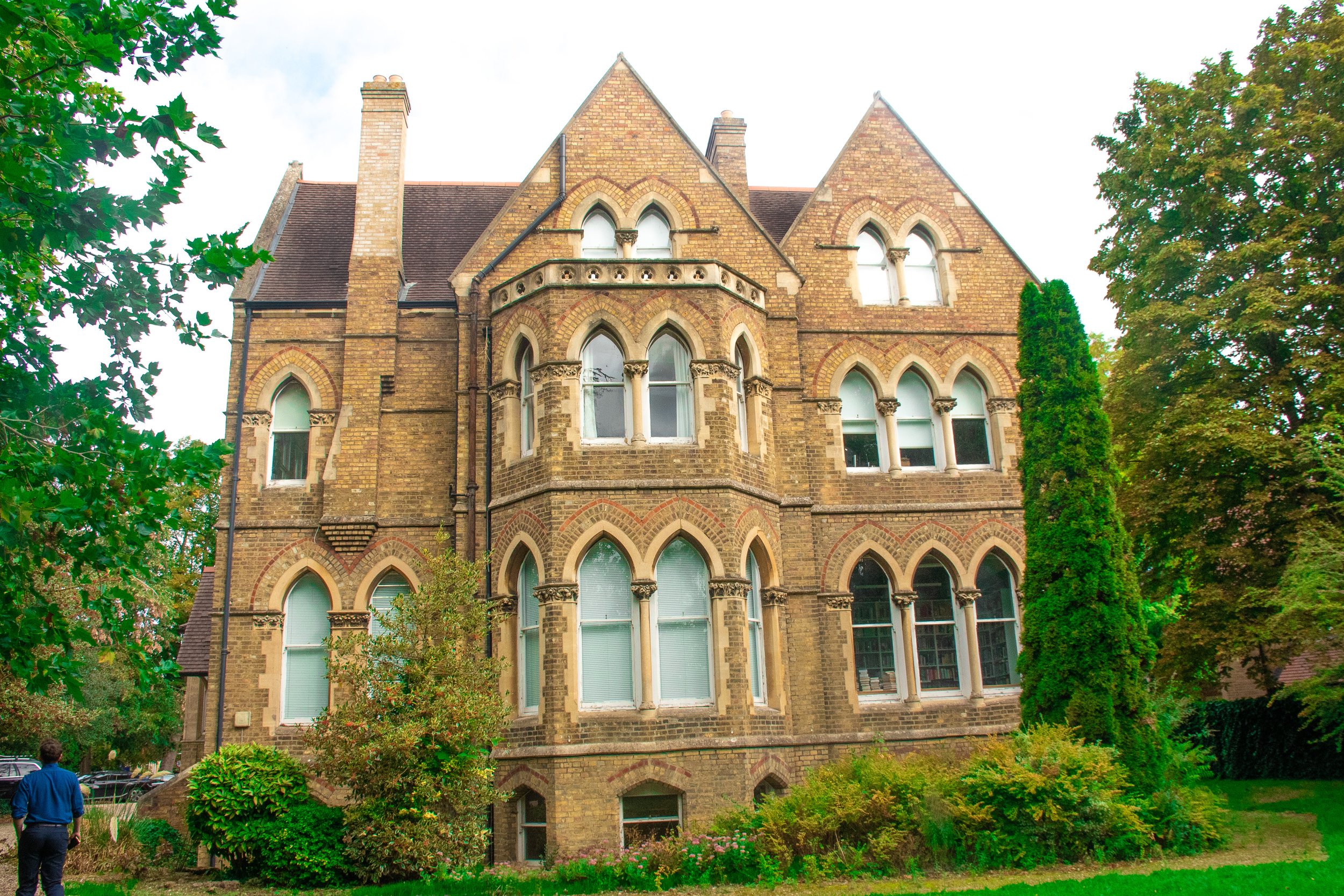
The African Anglicanism Conference was held at Wycliffe Hall, Oxford, from 12–19 September 2026. The event was jointly hosted and convened by Wycliffe Hall—one of the University of Oxford’s Permanent Private Halls—and the Relay Trust, a charity dedicated to training Christian leaders and strengthening the Church across Africa.
The conference brought together theologians, scholars, church leaders, and practitioners from across Africa and the wider global Anglican Communion, with attendees traveling from countries such as Burundi, Ghana, Nigeria, South Africa, South Sudan, Brazil, and Australia.
The primary purpose of the gathering was to explore a central, foundational question: "What is African Anglicanism?" This inquiry was examined through three distinct lenses: Roots (history, doctrine, and beliefs), Routes (the patterns and dynamics of its growth), and Rites (lived experience, worship, and local expressions).
Rather than serving merely as a forum for academic reflection, the event was designed to spark practical collaboration.
By connecting grassroots ministry realities—such as discipleship and mission—with rigorous theological study, the aim was to cultivate future research, new partnerships, publication opportunities, and advanced theological training across the Church.
The academic program featured nineteen papers alongside practical workshops, anchored by a diverse lineup of prominent global speakers.
Notable presenters included The Rt Revd Dr Emily Awino Onyango (Assistant Bishop in the Anglican Church of Kenya), who brings expertise in gender studies and ecclesiastical history; The Rt Revd Dr Victor R. Atta-Baffoe, Bishop of the Anglican Diocese of Cape Coast and Bishop Theologian of West Africa; and The Revd Simion Kinono, who serves as the National Coordinator of the massive Burundi Discipleship Programme.
Other key contributors included Ade Mary Samuel, the Provincial Treasurer of the Episcopal Church of South Sudan, who spoke from a perspective of Christian stewardship and financial sustainability, and The Most Revd Miguel Uchôa, the Primate of the Anglican Church in Brazil.
The conference sought to be an intentional bridge built between historic faith and local culture, which is visually represented in the conference logo.
The logo combines the academic and scriptural imagery of an open book with the traditional African Baobab tree and a central cross, symbolising a faith that is deeply rooted in local contexts yet actively engaged in global mission.
Furthermore, the conference emphasised relationship-building, blending intensive theological dialogue with shared cultural and historical experiences across Oxford, including church visits, a guided walking tour of the city's Christian history, and traditional river punting.