
Why Ask What African Anglicanism Is?
It sounds like a straightforward question. But the more closely you look at it, the more complicated it becomes.
Is African Anglicanism simply Anglican Christianity as it is practised on the African continent?
Is it the inheritance of missionary Christianity, shaped over generations by African churches and communities?
Is it something that can be understood through theology, worship, culture, history or geography?
Or is it still becoming?
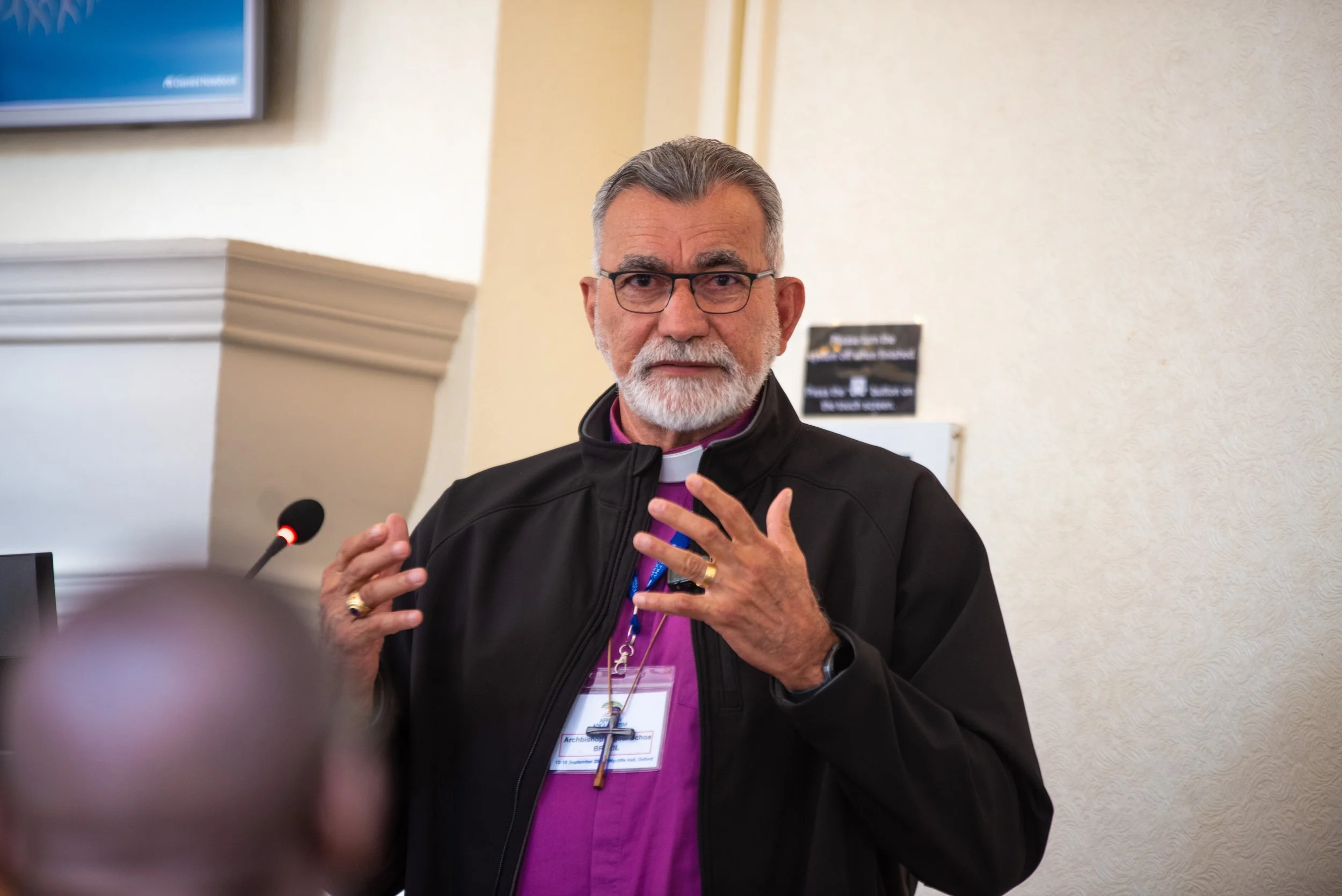
From Inheritance to Ownership
The question that opened the African Anglicanism Conference — What is African Anglicanism? — did not have a simple answer.
Perhaps that was part of the point.
Over several days at Wycliffe Hall in Oxford, the conversation moved beyond definitions and into history, theology, worship, identity, conflict, formation, suffering, leadership and the practical realities of sustaining the Church.
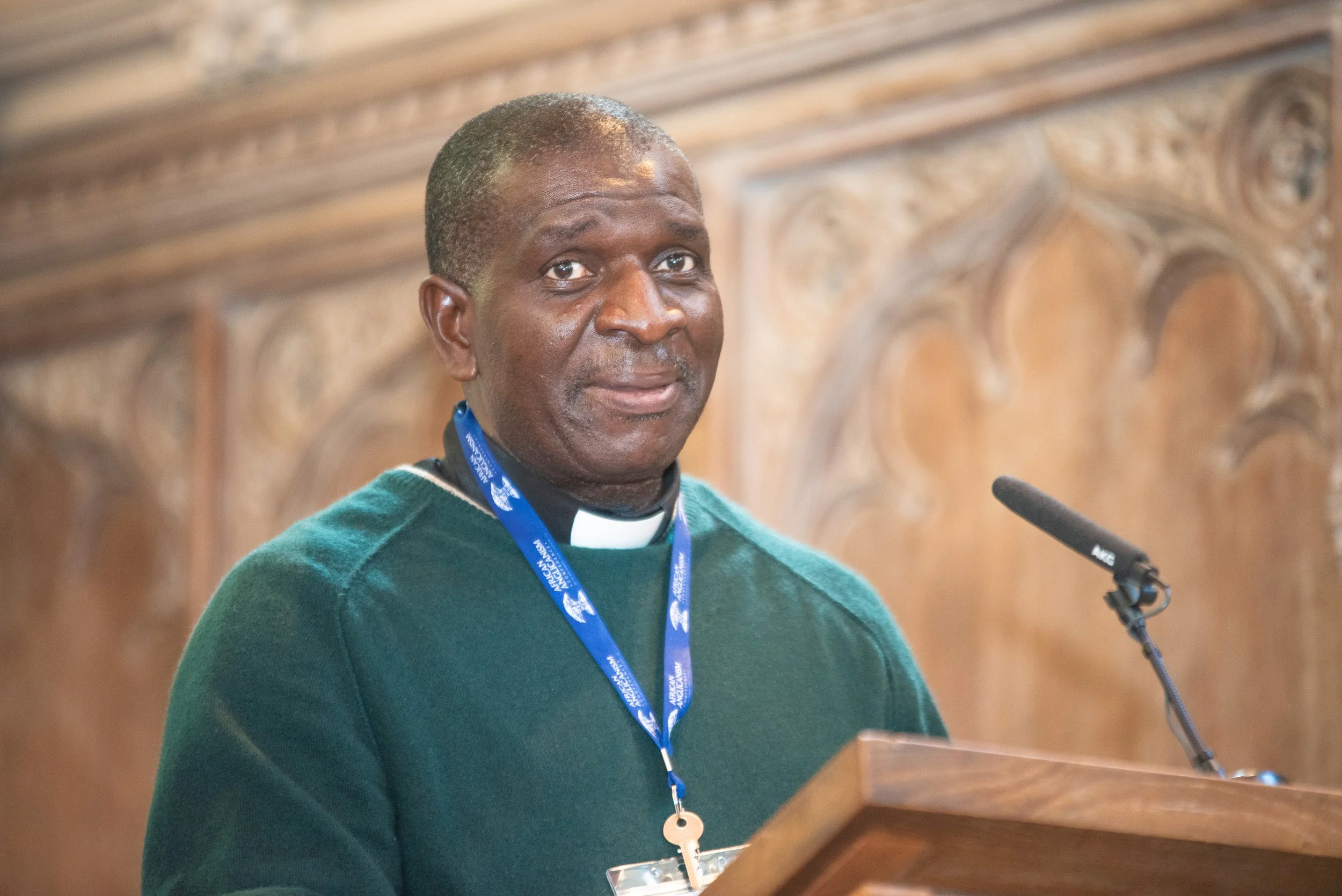
The Conversation Continues
A conference can end.
The questions it raises do not necessarily end with it.
When participants gathered at Wycliffe Hall in Oxford to explore African Anglicanism, the purpose was never simply to spend a week exchanging papers and then return home.
The conference created a space for historical reflection, theological discussion, cultural exploration and practical conversation.
It also created something else: A sense of where further work is needed.